













Queen Mary University of London (QMUL), Institute of Dentistry Royal London Dental Hospital
Department of Restorative Dentistry & Centre for Oral Bioengineering
About the Scholarship Center
There are two ITI Scholarship Centers at The Queen Mary University of London (QMUL), Institute of Dentistry; one in the Department of Restorative Dentistry and Centre for Oral Bioengineering where the Programme Chairman is Professor Shakeel Shahdad and the other in the Centre for Oral Clinical Research with Professor Nikos Donos as the Programme Chairman.
Both centres embrace the philosophy of a multidisciplinary approach to implant dentistry. For this reason, all our specialist trainees come together as a team for their implant and research training. The scholars will work closely together and with trainees enrolled on a 3-year DClinDent program in Periodontics and in Prosthodontics, and with specialist registrars who are on a 5-year training program in Restorative Dentistry. They will be able to actively participate in different pre-clinical and clinical research projects currently performed in the department.
Scholarship Center Chairs

Department of Restorative Dentistry &
Centre for Oral Bioengineering

Department of Restorative Dentistry &
Centre for Oral Bioengineering


More about the Scholarship Center


Activities during the Scholarship year
ITI Scholars will need to obtain a limited license to work with patients. More Information you will find here: https://www.gdc-uk.org/registration/join-the-register/temporary-registration
EU candidates should follow the formal General Dental Council (GDC) registration pathway before their arrival and ultimately receive a GDC registration to be able to practice dentistry in U.K. This is an essential requirement in order for QMUL/BartsHealth to issue them with an Honorary contract (hospital) to work with patients under the supervision of a delegated consultant. For non-EU candidates the relevant visa requirements as applicable with the agreements between the country of their origin and U.K. have to be clarified and completed well in advance of the candidate’s arrival in the U.K. and the center will facilitate this process. Non-EU candidates will not be able to practice dentistry in U.K. without temporary registration with the GDC (practice under supervision and not independently) and will have to be sought upon arrival (this implies delay to entering the clinic for a period that is difficult to specify).
ITI Scholars do not have formal QMUL/BartsHealth student/trainee status. Based on the University Honorary contracts and the Hospital Honorary contract they will be allocated a working space, an email account, access to the library and will be able to perform clinical activity and research under the supervision of delegated staff members/consultants.
Authorization for "independent" treatment of implant patients with problems of varying degrees of complexity will depend on the competencies of the individual ITI Scholar. These will be assessed during the initial period of the program.
The center has had a fully integrated and extensive digital footprint since 2010, and the scholar will receive comprehensive training and experience in this area.
Minimum 3 years’ clinical experience. Implant experience at the Straightforward Level is mandatory.
Applicants with post-graduate education in prosthodontics, periodontics, or restorative dentistry and/or previous clinical research experience are preferred.
In terms of research, the ITI Scholar will be integrated into the departmental research team. It will be desirable (but not essential) for a research project to be initiated and progressed/completed during the scholarship year and, if possible, to participate in at least one project. If appropriate, research methodology training will be provided to the ITI Scholar.
During the scholarship year, the Scholar's time will be allocated to the activities below as follows (estimate)


An IELTS certificate demonstrating proficiency in English is required for non-native English speakers before the start of the ITI Scholarship program.
The required IELTS score for dental professionals is an overall average of at least 7, with a minimum score of 6.5 in each of the four test components (reading, writing, listening, speaking). Important: for non-EU Nationals, the IELTS (Academic) should be completed immediately upon acceptance of an ITI Scholarship, as test results are a primary requirement for a UK visa.
The aim of this program at QMUL is to enhance the knowledge and skills of the ITI Scholar with particular emphasis on the ITI philosophy. The ITI Scholar will complete the program having attained broad experience and expertise in dental implants, which will provide a solid foundation for their professional career.
The ITI Scholarship Program comprises:
• Access to didactic programs (lectures, seminars, practical/clinical courses) offered by the department at the postgraduate level
• Literature review seminars
• Attend the 1-week comprehensive Implant Core Course, organized by the department
• Multidisciplinary implant consultations
• Weekly team treatment planning with case presentations
• Participation in new patient diagnostic clinics
• Multidisciplinary hypodontia clinic (with orthodontic and paedodontic colleagues)
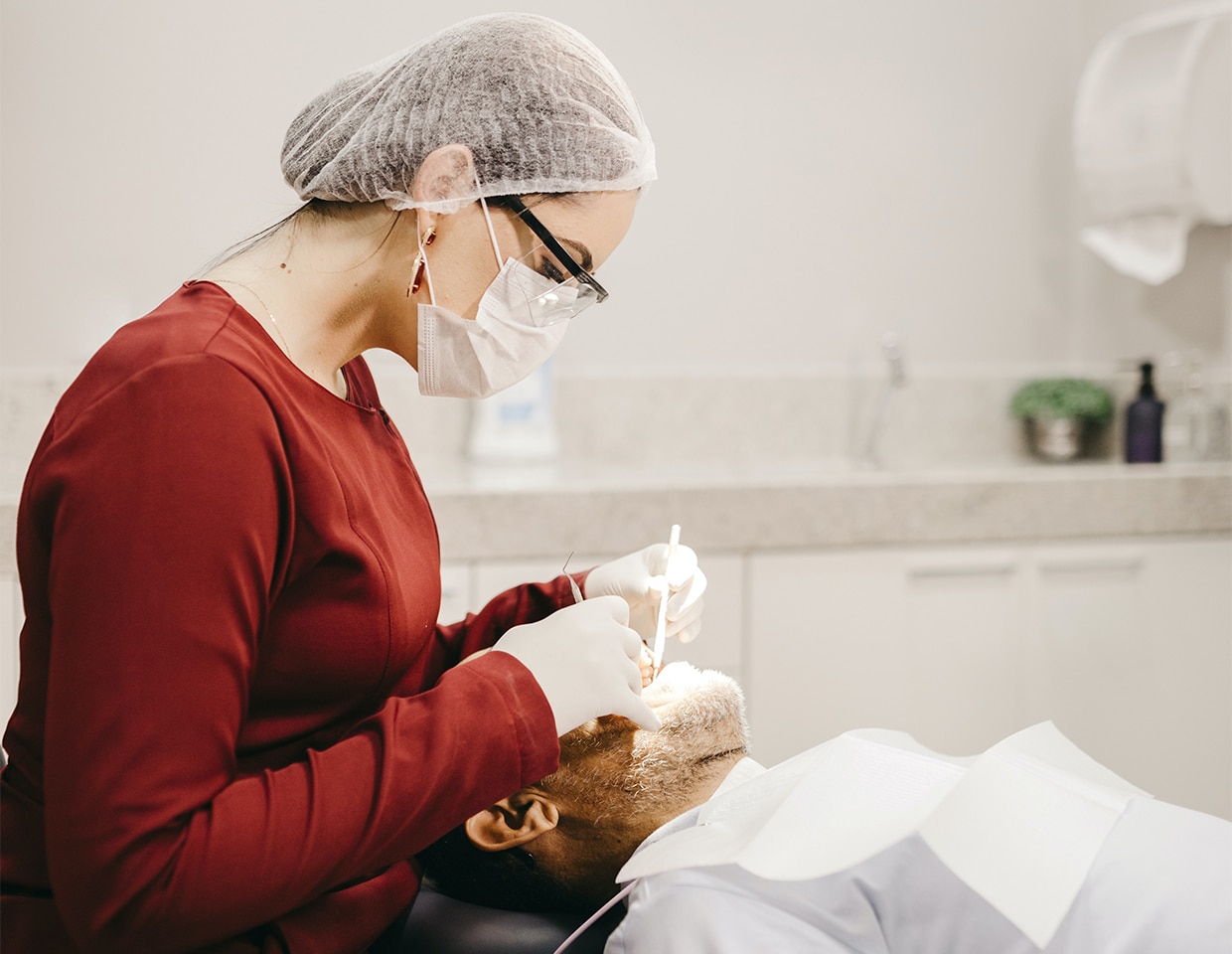
• Comprehensive treatment of selected implant patients (under supervision), including treatment planning, preparation of surgical interventions, implant placement (initially as an assistant, later with the assistance of an experienced surgeon) as well as the subsequent prosthetic rehabilitation
• Exposure to complex patients with congenital anomalies requiring rehabilitation
• Participation in ongoing implant-related research projects
• Training in clinical research governance
We strongly advise you to consider cost of living (housing/rent, food, transportation, etc.) in the city of this ITI Scholarship Center, as certain destinations can be very expensive. It is essential to understand that the ITI scholarship stipend does not cover all living expenses but only contributes to these. Therefore, make sure you are fully aware of the cost of living in the city of this Scholarship Center if you consider applying for it. You must be prepared to co-finance the cost of living out of your own pocket. The ITI cannot provide additional funding during the scholarship year.
Contact details
Department of Restorative Dentistry & Centre for Oral Bioengineering
Queen Mary University of London (QMUL)
Turner Street
London E1 2BB
UK
Email: [email protected]
Department of Restorative Dentistry & Centre for Oral Bioengineering
Queen Mary University of London (QMUL)
Turner Street
London E1 2BB
Email: [email protected]
A life-changing experience - Insights from past Scholars
Hear from past Scholars as they reflect on their ITI scholarship year and its impact on their professional journey.